
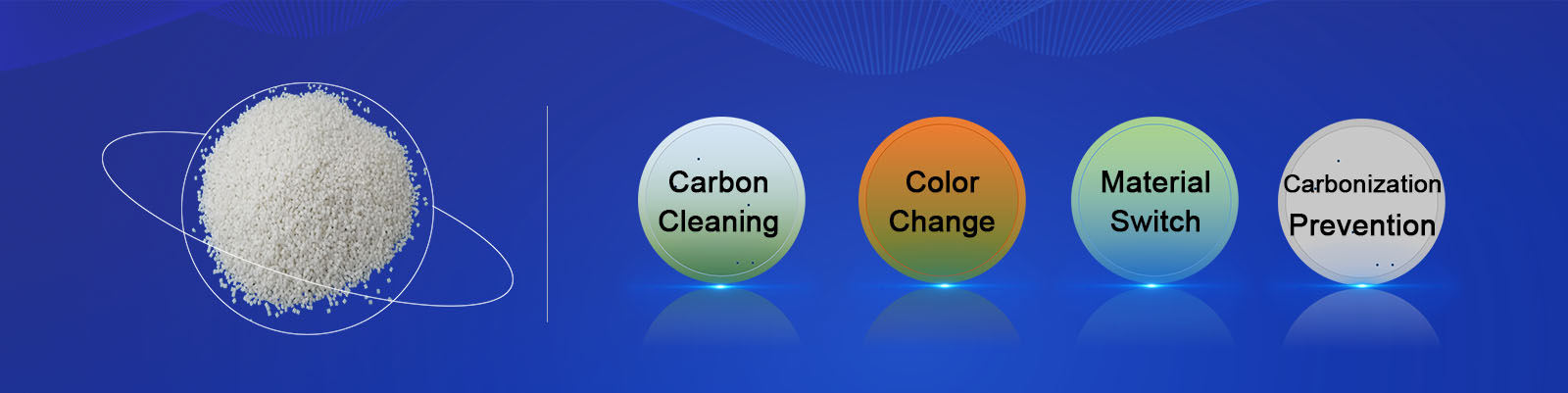








Application of Pigment Powder in Plastic Processing
Pigment powder was one of the earliest coloring solutions used in the plastics industry. The coloring process involves mixing finely ground pigments with a small amount of dispersing additives and blending them directly with plastic resin before processing through injection molding or extrusion equipment.
With the development of the plastics industry, pigment powder has gradually been replaced by color masterbatch and liquid colorants due to issues such as dust pollution, environmental concerns, and more difficult machine cleaning.
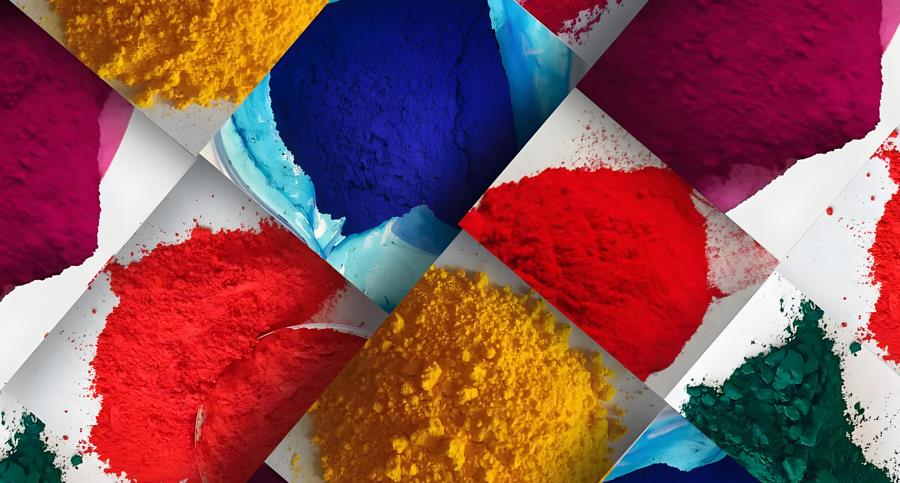
However, pigment powder is still widely used today because of its advantages, including lower cost, flexible color adjustment, fast trial production, and excellent surface gloss. It remains a preferred choice for small-batch production, sampling, and applications requiring bright and customized colors. Pigment powder can be used with almost all types of thermoplastic materials.
Cleaning Challenges Caused by Pigment Powder
Although pigment powder offers flexibility and cost advantages, it creates significant challenges during machine cleaning and color change.
1. Pigment powder is a fine powder. During feeding, it can easily enter various gaps inside the equipment, such as the hopper wall, flange, material inlet, etc., and may even become embedded in the microscopic textures of metal surfaces.
2. After long-term use, pigment residues can adhere to metal surfaces, such as screws, barrel walls, hoppers, and even molds, causing color contamination.
3. Pigment powder is prone to carbonization. Some pigments that remain attached to metal surfaces for a long time cannot be removed easily and may form hardened carbonized deposits under high temperatures, especially organic pigments.
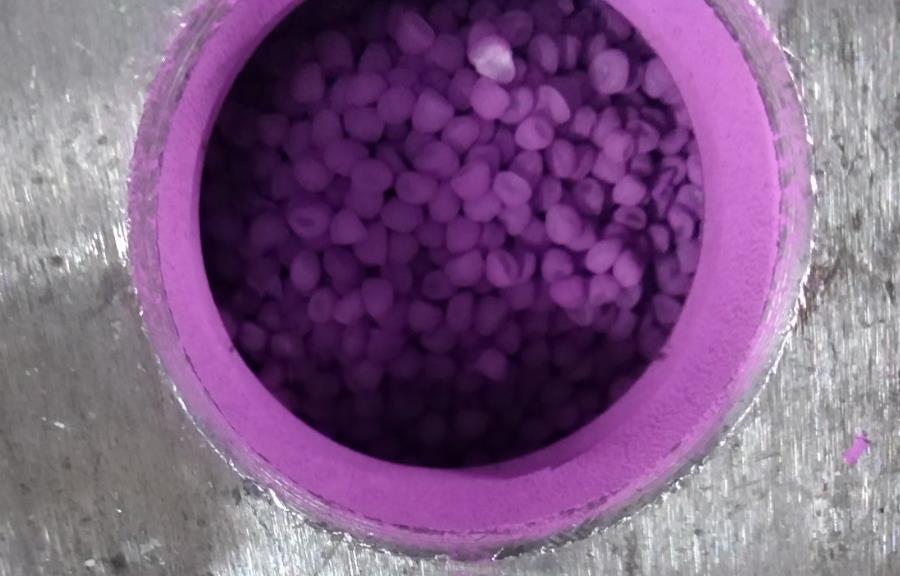
PlasE® Purging Compound VS Conventional Resin Purging Method
Case Study: ABS Color Change (Purple → White)
Application: Toy Manufacturing
Machine: 120T Injection Molding Machine
Colorant: Pigment Powder
Conventional Cleaning Method:
The customer used virgin resin for purging:
Cleaning time: Approximately 40 minutes
Resin consumption: Around 12 kg
Result: Occasional red color contamination remained in molded parts after cleaning
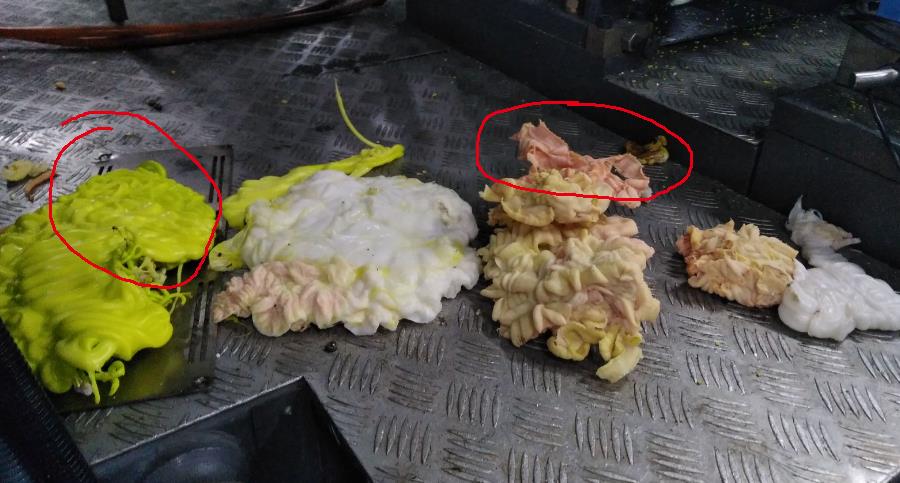
PlasE® Clean Purging Solution:
For this application, the customer tested:PlasE® Clean A 503
Cleaning process:
Purging compound consumption: Approximately 1 kg
Purging cycles: Around 6 shots
Color change completed efficiently
After cleaning, production resumed with no pigment residue detected. The machine was cleaned thoroughly, achieving a stable white production output.
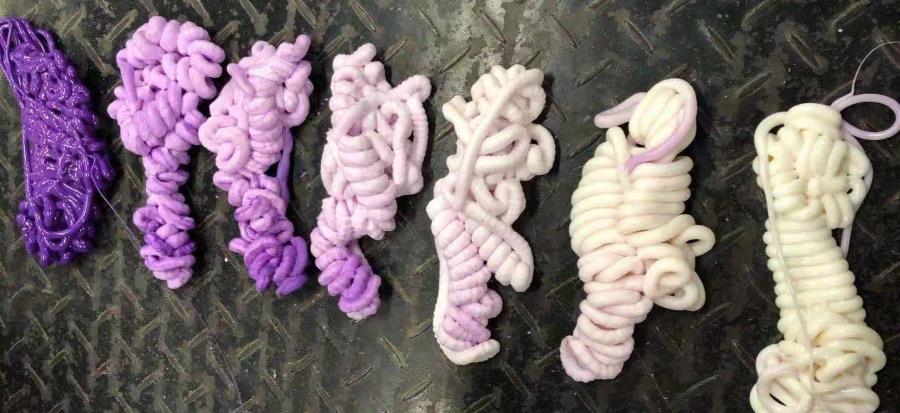
Advantages of Using PlasE® Purging Compound for Pigment Color Change
1. PlasE® Purging Compound can effectively remove pigment residues from metal surfaces, making cleaning more thorough and efficient.
2. Prevent pigment residues from long-term adhesion and carbonization under high temperatures.
3. Significantly reduce dark-to-light color change time, lowering purge waste and resin consumption.
4. Effectively clean difficult areas such as the feed zone with optimized operating methods.
5. Suitable for various resin types and processing temperature ranges.
Customer Feedback
The customer reported that cleaning efficiency improved by more than 50%, significantly increasing machine utilization.During the purging process, PlasE® also removed previously accumulated color residues and contaminants from earlier production runs, demonstrating strong cleaning performance.
By achieving more complete pigment removal during every color change, manufacturers can improve production stability, reduce quality risks, and ensure consistent product appearance.
 Skype
Skype
 Web | App
My whatsapp +8613539736806