
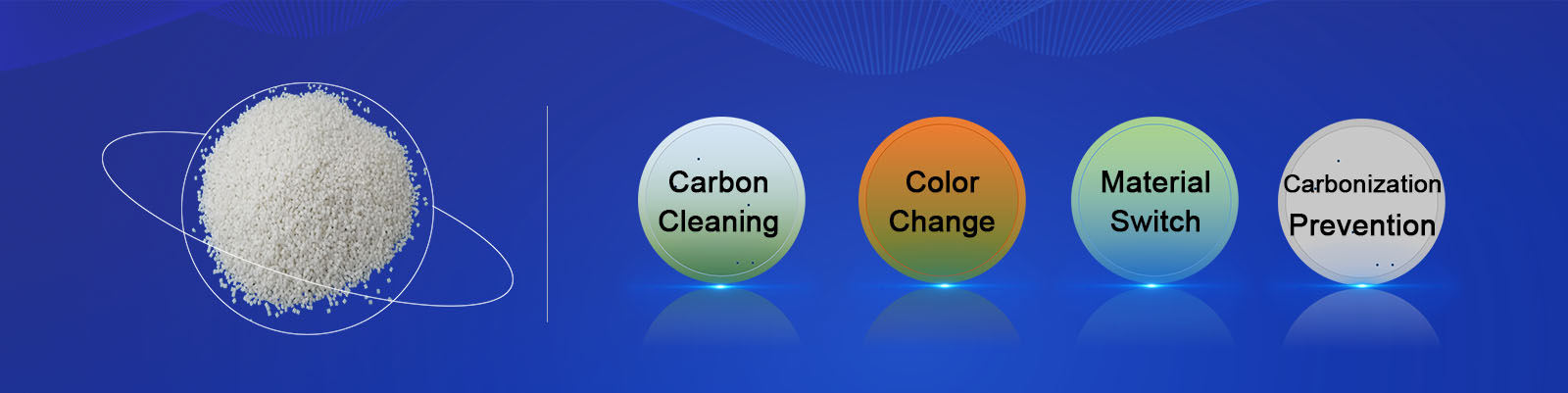








Applications of PET Sheet
PET is widely used in the packaging industry, offering high transparency, non-toxicity, low-temperature resistance, and excellent formability. PET sheets are commonly processed into products such as cups, disposable meal boxes, lids, and more. However, during the forming process, black/yellow specks caused by PET degradation often occur. So how should this issue be addressed?
The Problem
PET extrusion is typically carried out at temperatures around 280°C. Due to factors such as power fluctuations, labor scheduling, holidays, mold/die maintenance, or process adjustments, unscheduled or planned shutdowns are inevitable. During the gradual cooling phase from 280°C, the residual material tends to carbonize and decompose, forming brown or black spots or chunks. Although some of these contaminants are trapped by the screen pack, the rest may pass through and end up on the final product, compromising its appearance. Since PET packaging materials are often required to meet food-grade standards and provide moisture and water vapor barrier properties, such defects are unacceptable to consumers.
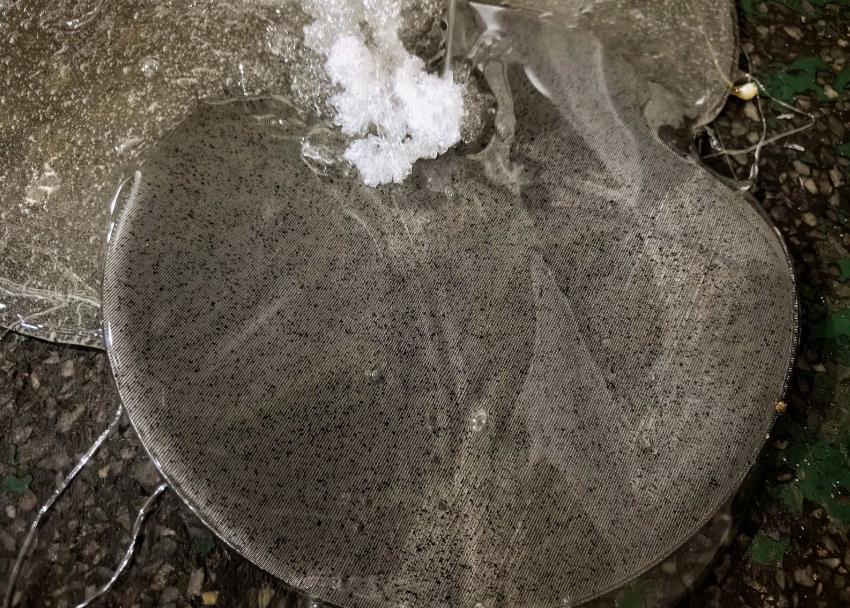
Root Cause Analysis
Carbon deposits are typically concentrated in two main areas:
1. Downstream of the screen pack – i.e., the die/mold section.
2. Upstream of the screen pack – i.e., the initial zone of the screw/barrel.
Anyone who has ever pulled a screw or dismantled a die knows that these two sections are most prone to PET resin retention, which, combined with the high temperatures, makes carbonization unsurprising.
Recommended Solution
We recommend the SANP TECHNOLOGY PlasE®®Clean PET purging compound – a cleaning material specifically developed for PET processing. It is fully compatible with PET and can be blended with virgin resin. Its primary applications include:
- Color switching in PET production
- Removal of black spots/carbon deposits
- Shutdown and maintenance purging
The goal is to quickly resume production and achieve first-pass quality output with minimal scrap.
Case Study: PlasE® Clean PET in Action
Machine: 95 mm Dwell sheet extrusion machine
Application: PET sheet extrusion for subsequent thermoforming into beverage cups.
Resin: PET B CR5083 / CR8828
Processing Temperature: 275°C
Previous Method: PP purging followed by 3 tons of PET flush – ineffective
PlasE® Clean PET Method: 50 kg of purging compound, 30 minutes runtime, with appropriate temperature increase and screen change
Customer Feedback: Satisfied
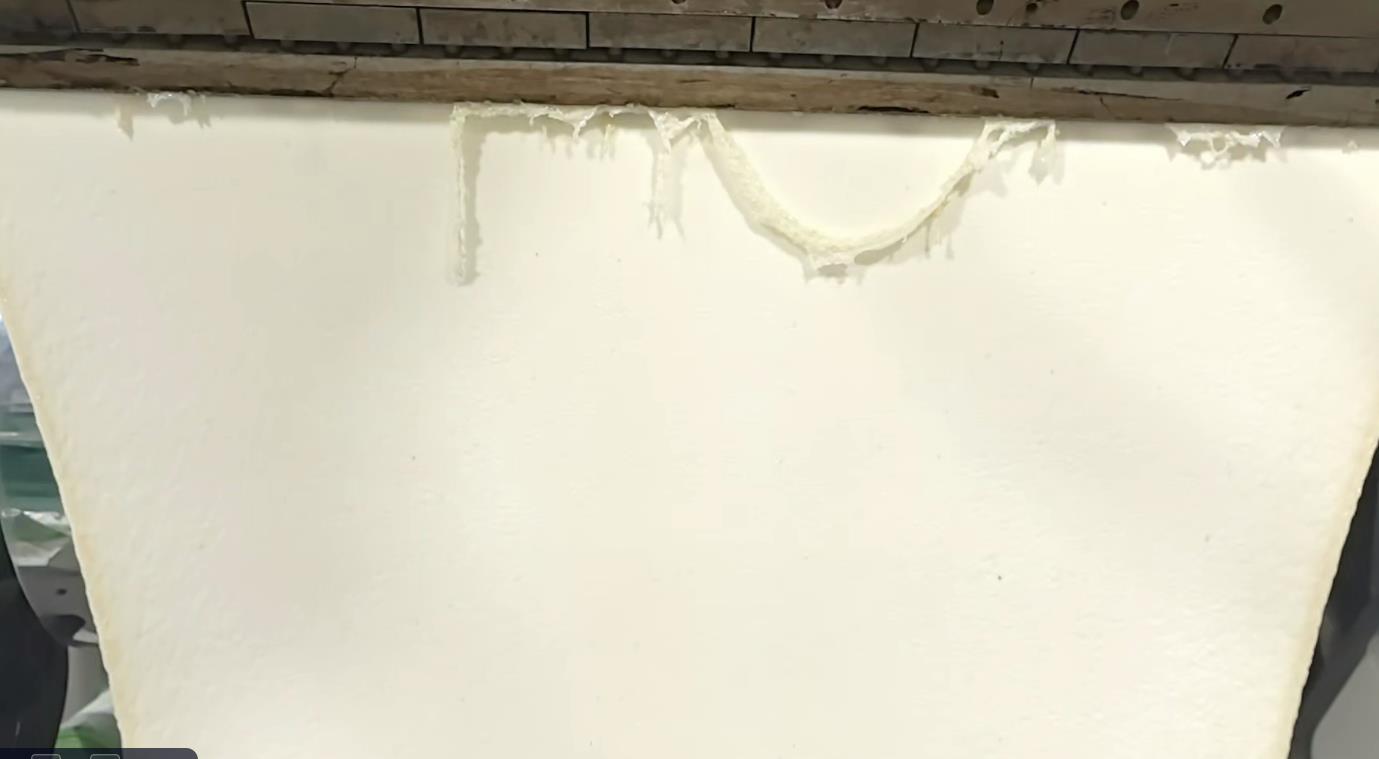
Key Requirements for an Effective PET Purging Compound
Regardless of which purging solution customers choose for PET sheet extrusion, the material must offer the following capabilities:
1. Non-abrasive – contains no abrasive fillers that could damage the screw, barrel, or precision die.
2. Non-contaminating – leaves no residual purging compound that could compromise subsequent PET production or product quality.
3. Fast-acting – minimizes downtime and purging time.
4.Thermally stable – does not decompose or carbonize during prolonged high-temperature exposure, making it suitable for shutdown maintenance.
5. Food-grade compliant – essential, as the majority of PET packaging products are used in direct food contact applications.
 Skype
Skype
 Web | App
My whatsapp +8613539736806